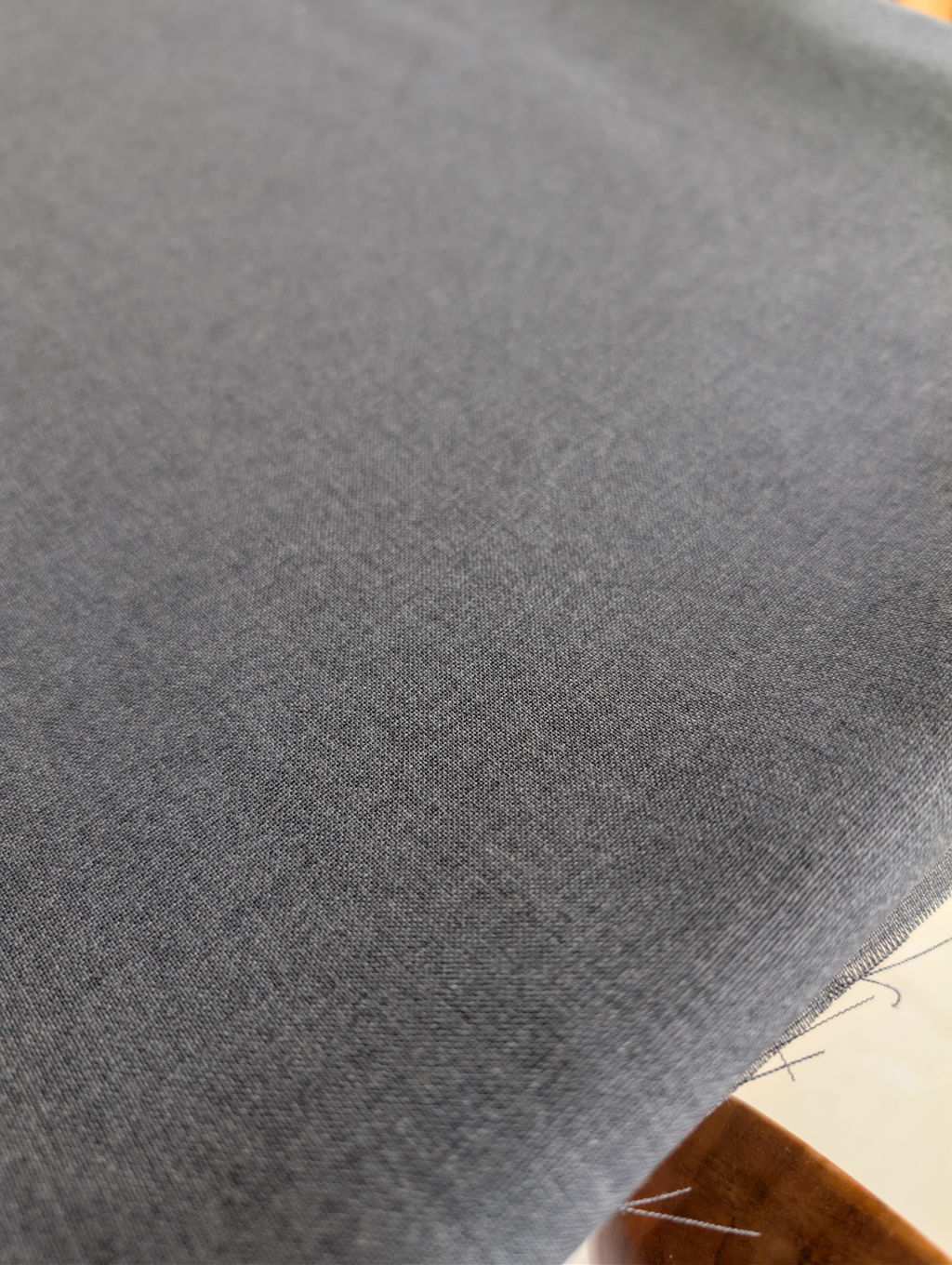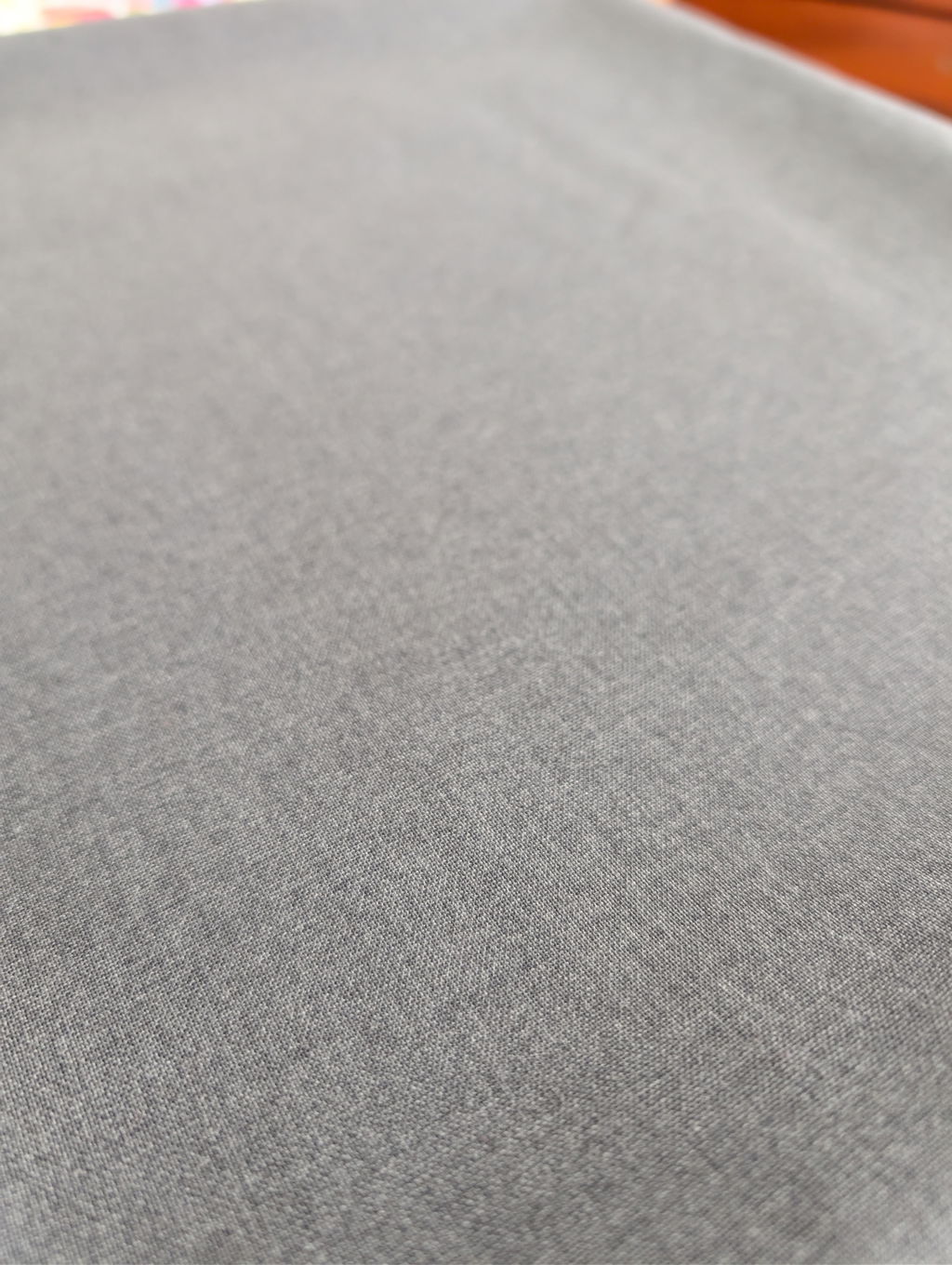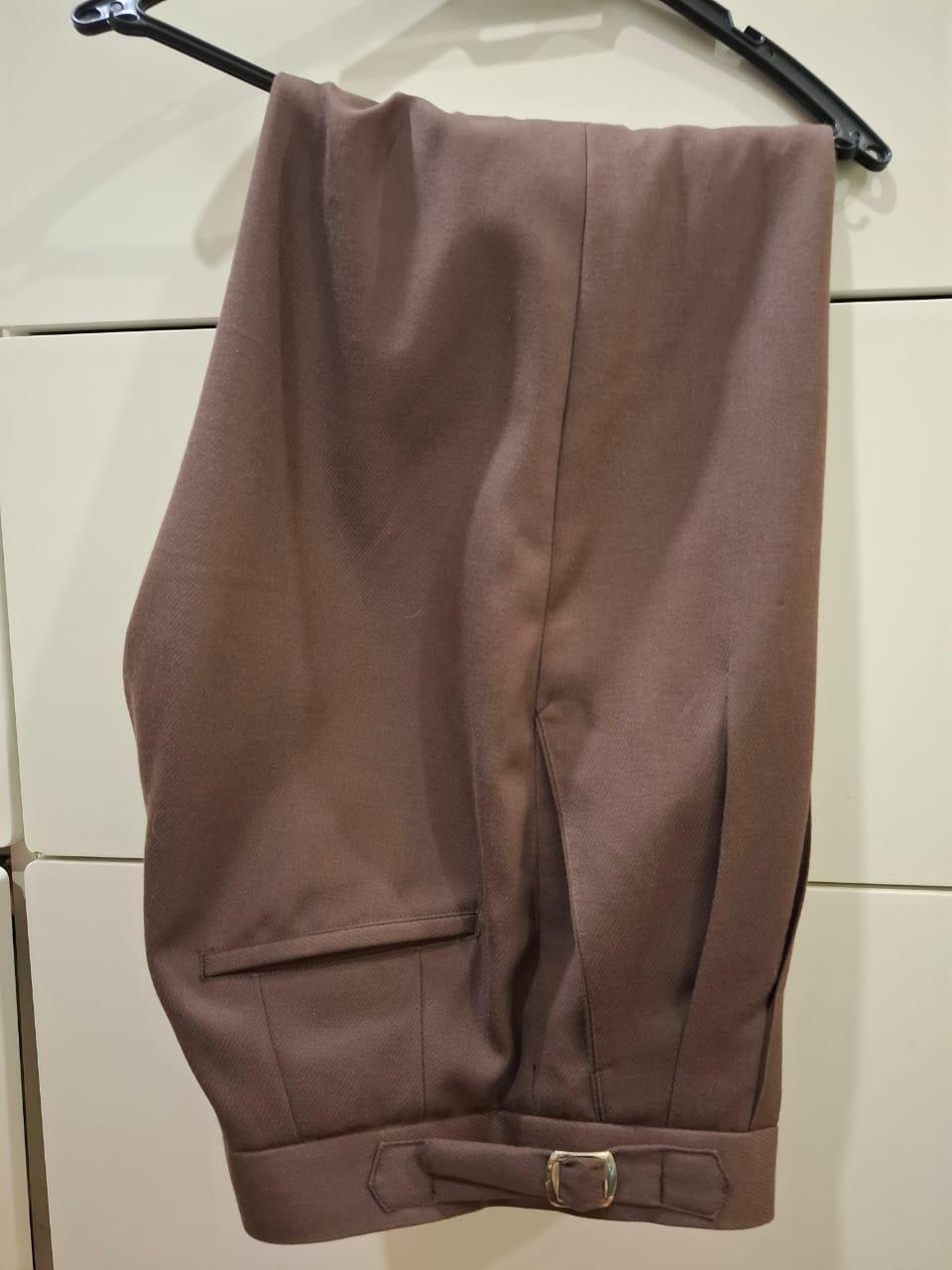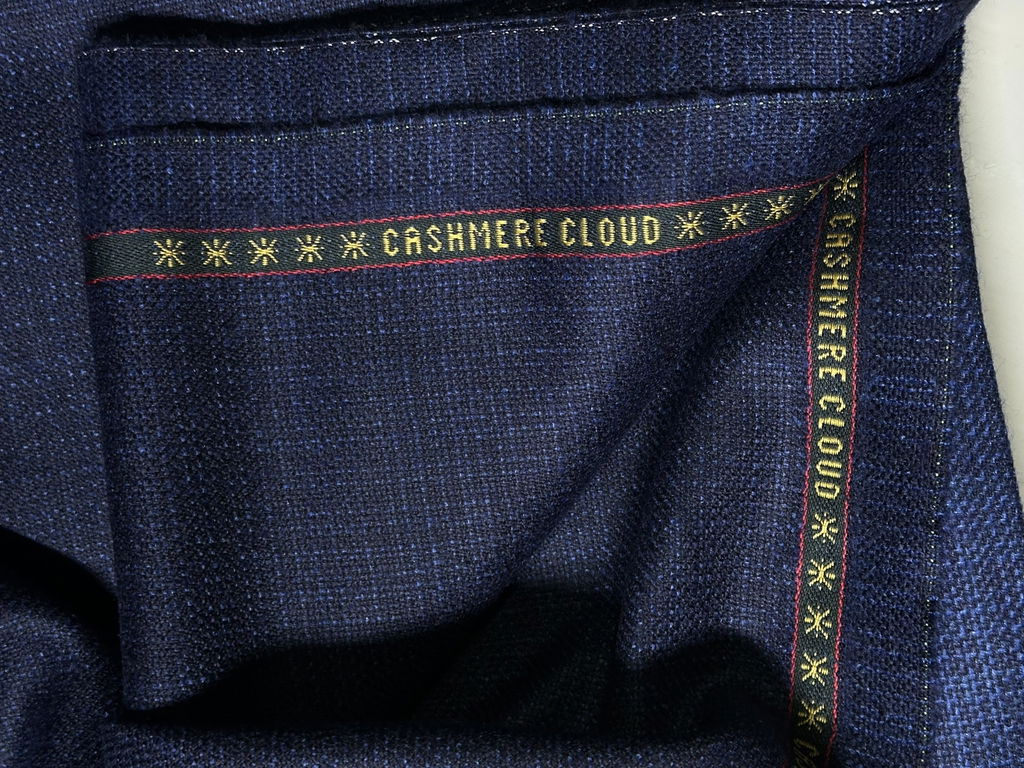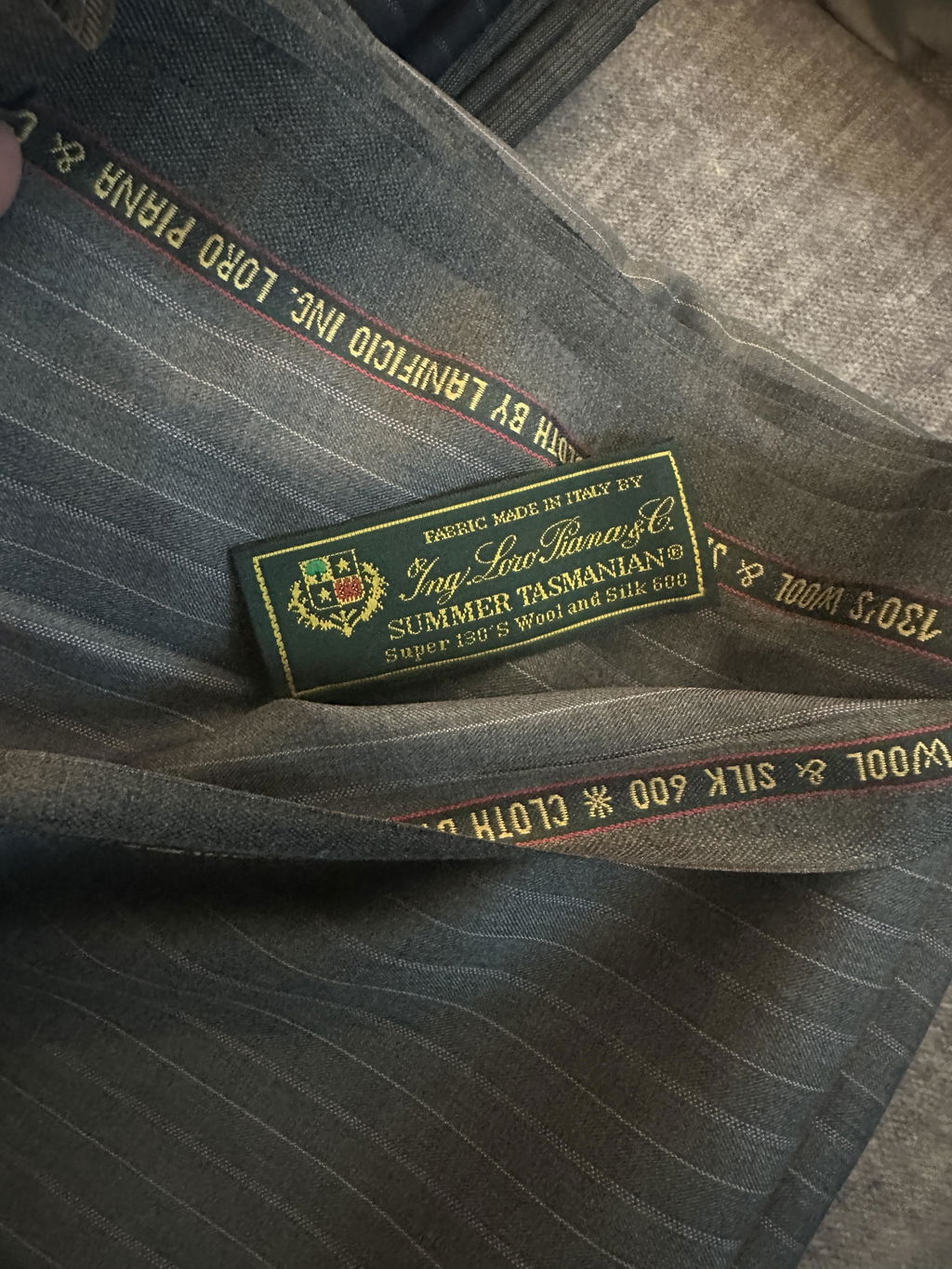

The best fabric for a wedding suit is usually a fine worsted wool in the 260–300 g range for year-round weddings, with lighter 200–250 g cloths for summer and heavier weights for winter ceremonies, chosen for drape, creasing and how it photographs rather than price alone.
Imagine a groom six months before his wedding, standing in front of a wall of swatches. Navy, charcoal, a slightly warmer grey. They all look fine in his hand. What he cannot see from a swatch is how the cloth will behave at the end of a very long day, and that is the real question this guide is about.
The real problem: a wedding suit is worn all day
A business suit is worn for a few hours at a desk. A wedding suit is worn from morning preparations to the last dance. You will stand for the ceremony, sit for the banquet, hug a great many relatives and be photographed from every angle, often under changing light. It is also a suit most grooms hope to wear again. So the fabric has to do three things well: stay smooth through a long day, hang cleanly in photographs, and remain a cloth you are happy to wear at a later occasion.
Decide the style first, then the cloth
The style narrows the choice before you touch a swatch. A two-piece suit gives you the widest range of cloths. A three-piece adds a waistcoat, which opens the door to a second cloth. A tuxedo or dinner jacket calls for evening cloths. A linen summer suit is a different proposition from a winter worsted. And if your invitation says morning dress, that is a separate set of three cloths, explained in another article.
If you are unsure which style your wedding calls for, the venue and time of day usually decide it, and the dress code decoded in the other article will help.
What matters in wedding suit fabric: crease recovery, drape and photographs
Three qualities separate a good wedding cloth from an ordinary one.
Crease recovery. Wool fibres naturally spring back after being folded, which is why a good worsted looks fresh after hours of sitting. Cloths with less spring, linen being the clearest example, will show the day.
Drape. This is how the cloth hangs and moves. A cloth with good drape falls cleanly from the shoulder and does not look stiff or fussy in motion, which matters when you are walking down an aisle or standing for a group photograph.
How colour looks in daylight and flash. Colour shifts under different light. A mid-tone cloth that looks rich in a showroom can look flat outdoors, and very dark cloth can lose its weave detail under flash.
Why fine worsted wool is the safe default
Fine worsted wool is made from long, smooth fibres spun tightly, giving a clean surface, reliable crease recovery and a dependable hang. It works across most venues, photographs consistently, and is the easiest cloth to re-wear afterwards for work or other occasions. If you are choosing one cloth and want few surprises, this is it.
The alternatives each ask you to accept a trade-off:
- Mohair blends are crisp and slightly lustrous, which gives a sharper, more formal look. The sheen suits evening better than a casual daytime wedding.
- Velvet is striking and festive but needs more careful handling and storage, and it is not an everyday cloth afterwards
- Linen is wonderfully cool and relaxed, but it creases readily. That is part of its character, and you should choose it knowing so.
Weight by season
Weight is measured in grams per square metre, and it changes how a suit feels far more than most people expect. For a wedding that falls in any season, a fine worsted in the 260–300 g range is a sensible middle. For summer or hot-climate weddings, lighter cloths in the 200–240 g range are more comfortable. For winter ceremonies, heavier weights make sense.
For Hong Kong and much of Asia, where a ceremony may be hot and humid while the banquet hall is heavily air-conditioned, the middle of the range is often the most comfortable compromise.
Honest note
The most expensive cloth is not always the best wedding cloth. Very fine, delicate cloths can be less forgiving of a long day of wear than a slightly sturdier one, and a rarer cloth does not photograph better simply because it costs more. Likewise, linen looks beautiful, but if you cannot accept creasing, it is the wrong choice however lovely it looks on the bolt. Choose for how you will actually wear the suit, not for the label.
What Yoo's Club offers for weddings
We carry fine worsteds and other suiting cloths from mills including Loro Piana, Scabal, Dormeuil, Vitale Barberis Canonico and Spence Bryson, as well as vintage and deadstock cloth. For the wedding-relevant categories currently in stock, including colours, weights and compositions.
Choosing fabric for your wedding suit in three steps
When you are ready to choose fabric for your wedding suit, work in three steps: first fix the occasion and the season, because they set the weight and the formality; then choose the colour, with navy and charcoal the safest if you want to wear the suit again; and finally choose the texture, from a quiet plain weave to a subtle pattern. Our Fabric Finder, in the Wedding & Formal section, lets you narrow the options by exactly these steps, and our team can help if you would like a second opinion.
FAQ
What fabric is best for a wedding suit? Fine worsted wool is usually the best all-round choice. It recovers well from creasing, drapes cleanly and photographs consistently, and you can wear it again afterwards. For year-round weddings, a weight in the 260–300 g range is a sensible starting point. Linen, mohair and velvet suit particular looks but carry trade-offs.
What weight should a summer wedding suit be? For a summer or hot-climate wedding, look at lighter cloths in the 200–240 g range. They breathe better than a standard year-round weight. Remember that lighter cloth creases more easily, so a lightweight worsted or fresco weave usually behaves better over a long day than linen alone.