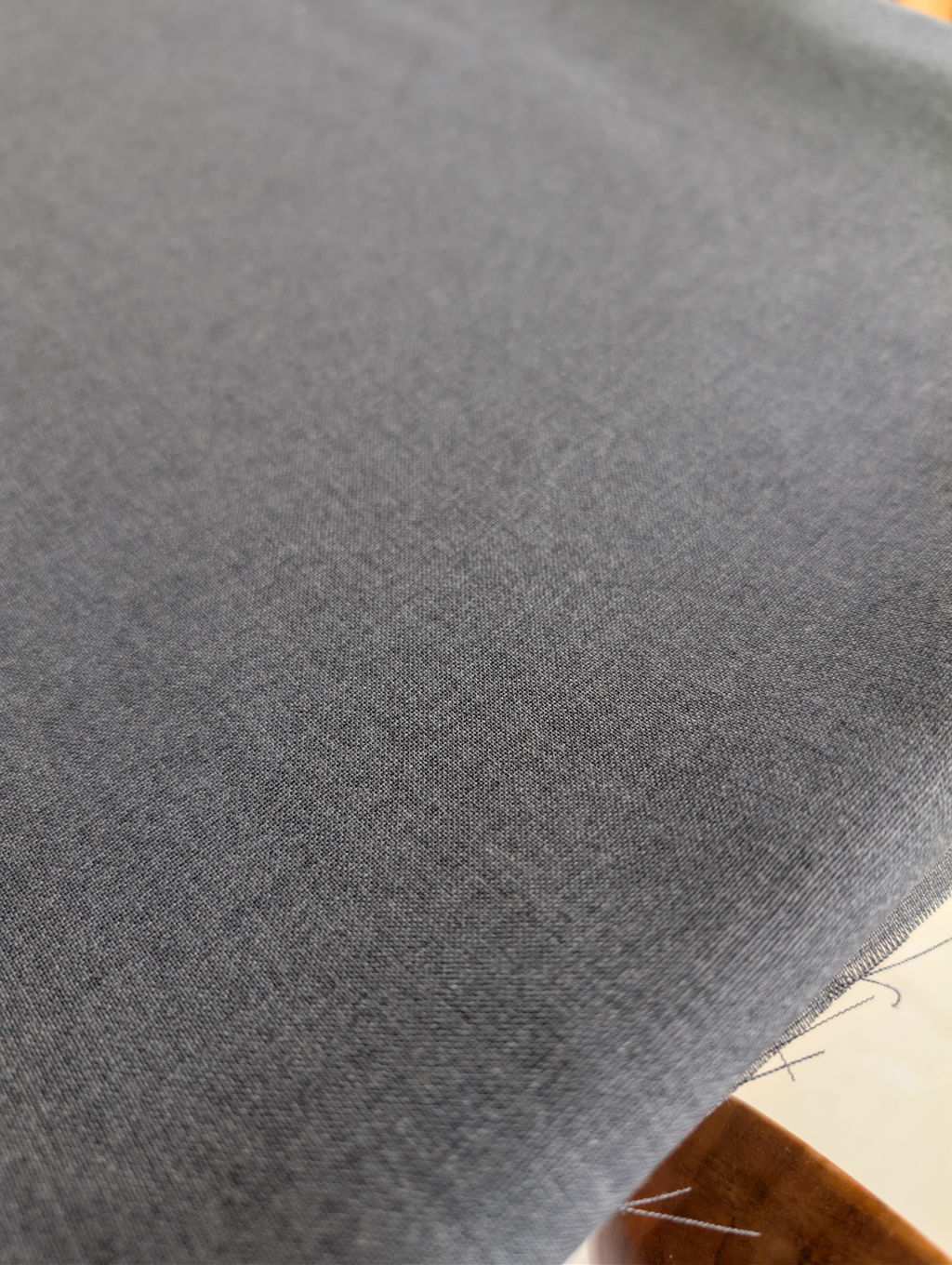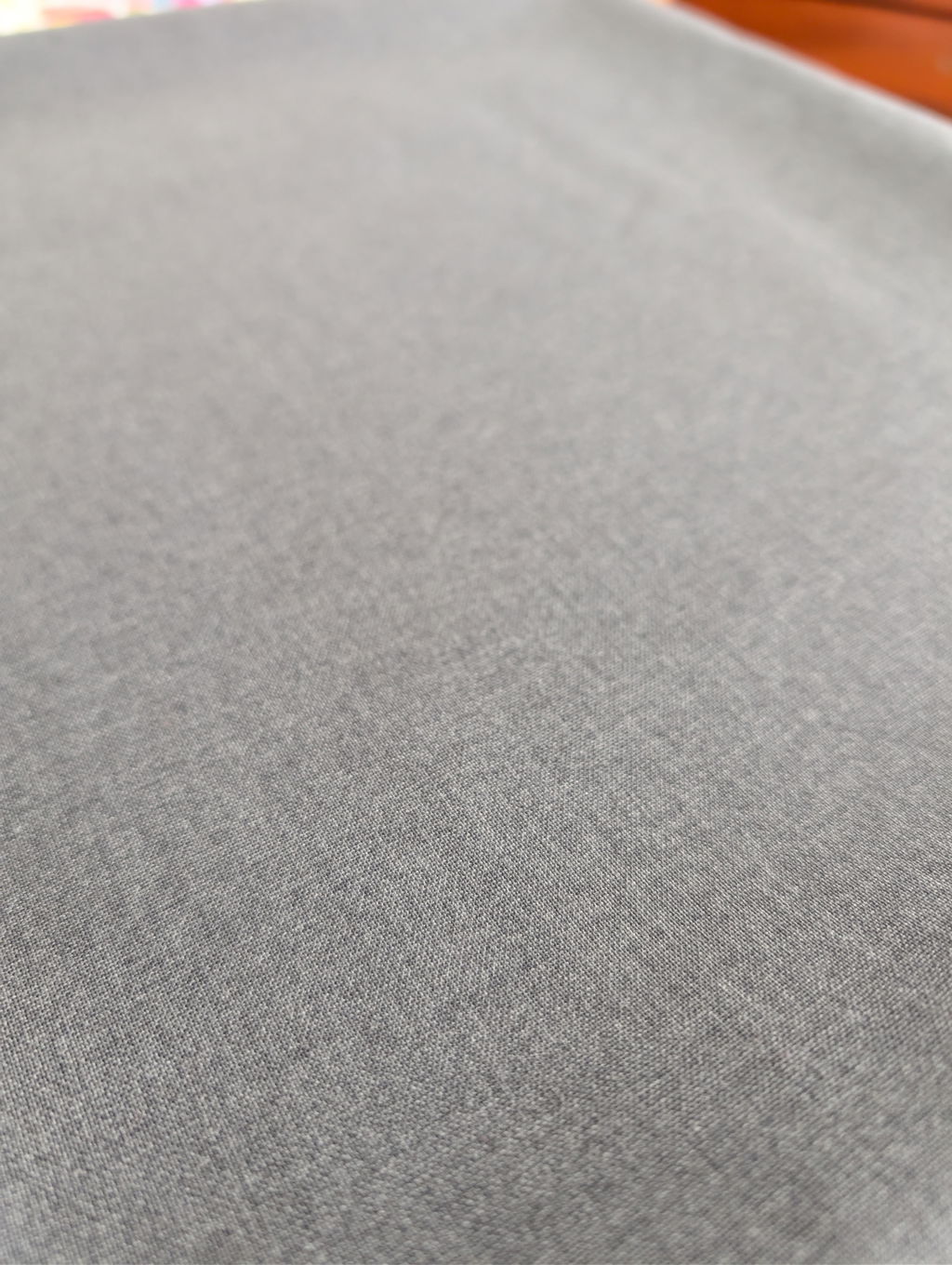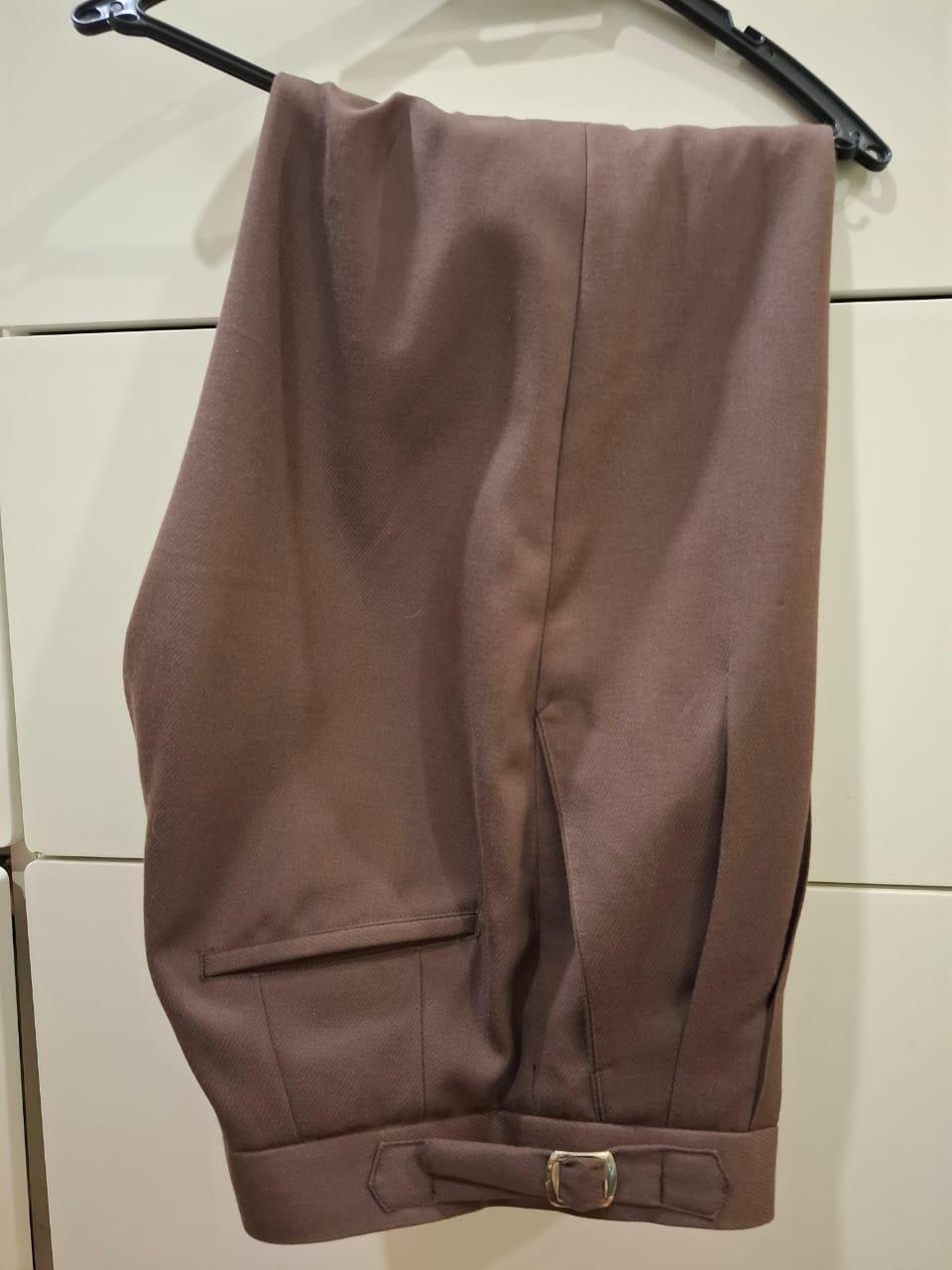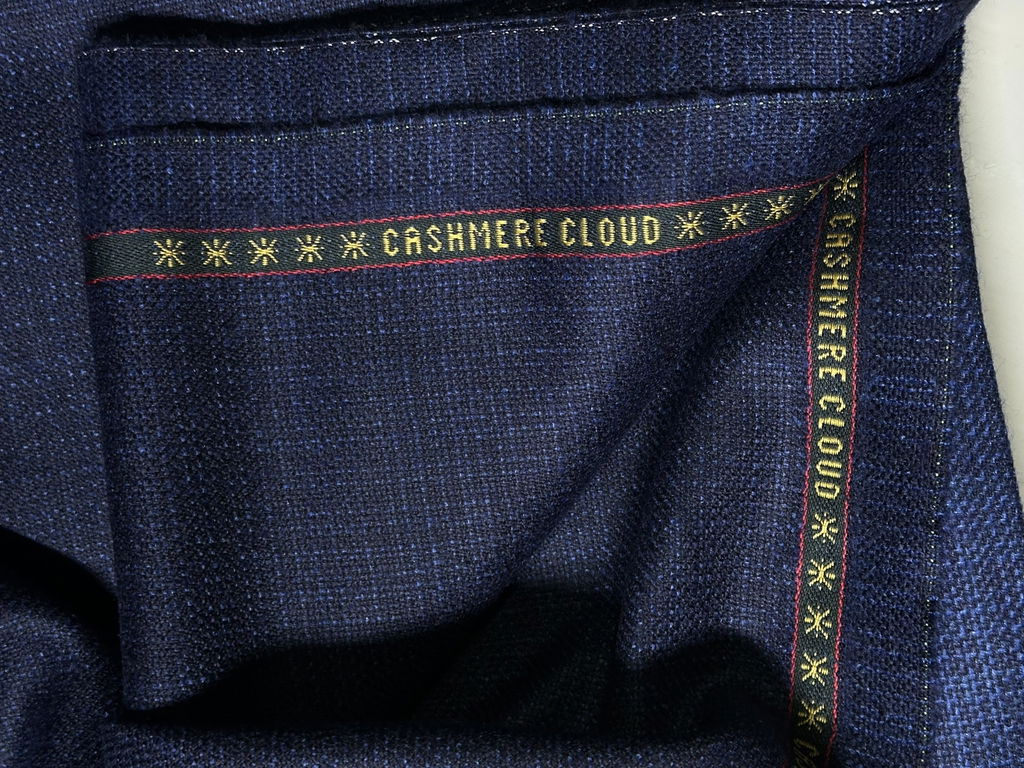

Drago is an Italian wool mill established in 1973 in Biella, and unlike many of its older neighbours, sells only a small portion of its output under its own name — most of its cloth is woven for other merchants and brands.
Most of the Biella mills in this series measure their history in centuries. Drago doesn't, and there's no reason to pretend otherwise — its story is a genuinely different, equally legitimate one about how the modern fabric trade actually works behind the scenes.
Young by Biella Standards, and That's Fine
Founded in 1973, Drago is considerably younger than neighbours like Piacenza (1733) or Cerruti (1881) covered elsewhere in this series. In a district where mills routinely lean on multi-generational family history as their primary credential, Drago's relative youth is worth stating plainly rather than stretching thin historical material into a heritage narrative it doesn't actually have.
The Part of the Trade Most Customers Never See
Here's what actually makes Drago worth understanding: most of its production isn't sold under its own name at all. Instead, Drago weaves cloth that gets sold onward by other merchants and brands under their own labels — a private-label or contract-weaving model that's genuinely common across the textile trade but rarely gets explained directly to end customers. A significant amount of fabric that reaches tailors and consumers under a well-known merchant's name may actually have been woven by a mill like Drago, doing the physical production work behind a brand identity that isn't its own.
Why This Model Isn't a Quality Downgrade
It's worth being direct about something that could otherwise read as a knock against Drago: supplying other brands under contract doesn't mean lower quality. If anything, it means the opposite in a specific way — Drago's weaving has to satisfy whatever quality standards the merchants and brands buying from it require, which puts its work under continuous, direct market scrutiny from professional buyers rather than end consumers. A mill that can't meet those standards simply doesn't keep getting contract orders. Survival in that specific business model is its own kind of quality proof.
A Different Kind of Reputation Than Its Neighbours
Drago's reputation, such as it is, exists mostly within the trade rather than with the public — known and evaluated by the merchants and brands who actually place orders with it, rather than by name recognition among end buyers. That's a genuinely different kind of standing than the public-facing heritage names covered elsewhere in this series, and it's worth understanding as its own legitimate category rather than a lesser version of a "real" mill story.
The Yoo's Club View
Drago is a useful reminder that a fabric's actual weaver and the name printed on the bunch aren't always the same thing — and that a mill without a marketable centuries-old founding story can still be doing genuinely solid, market-tested work behind the scenes for names you already recognize.
FAQ
Is Drago an old, established mill? No, not by Biella standards — Drago was founded in 1973, considerably younger than many of its Biella neighbours with multi-generational, centuries-old histories.
Why doesn't Drago sell more fabric under its own name? Drago operates substantially as a contract weaver, producing cloth that other merchants and brands sell onward under their own labels — a common but rarely publicized model across the textile trade.