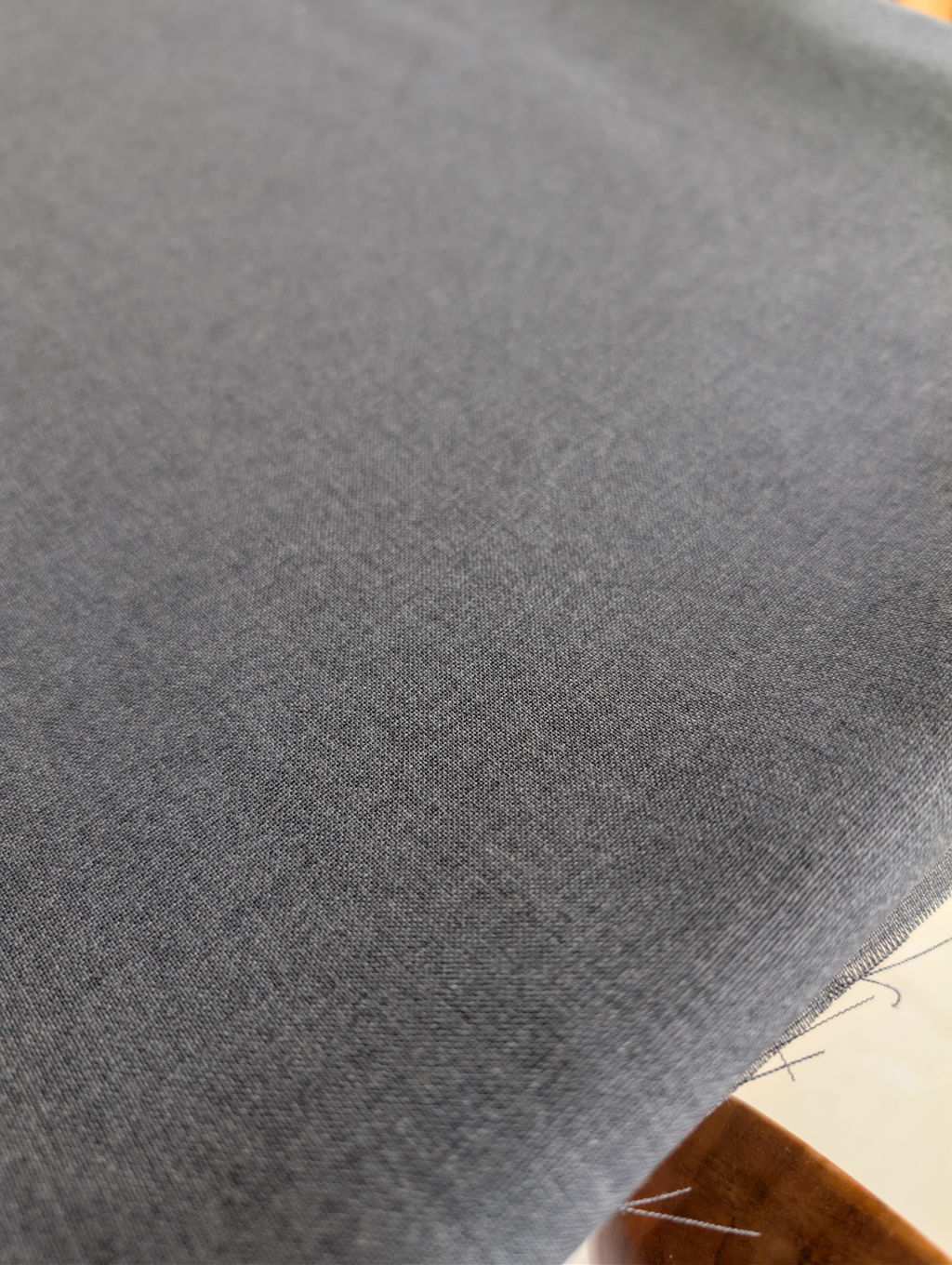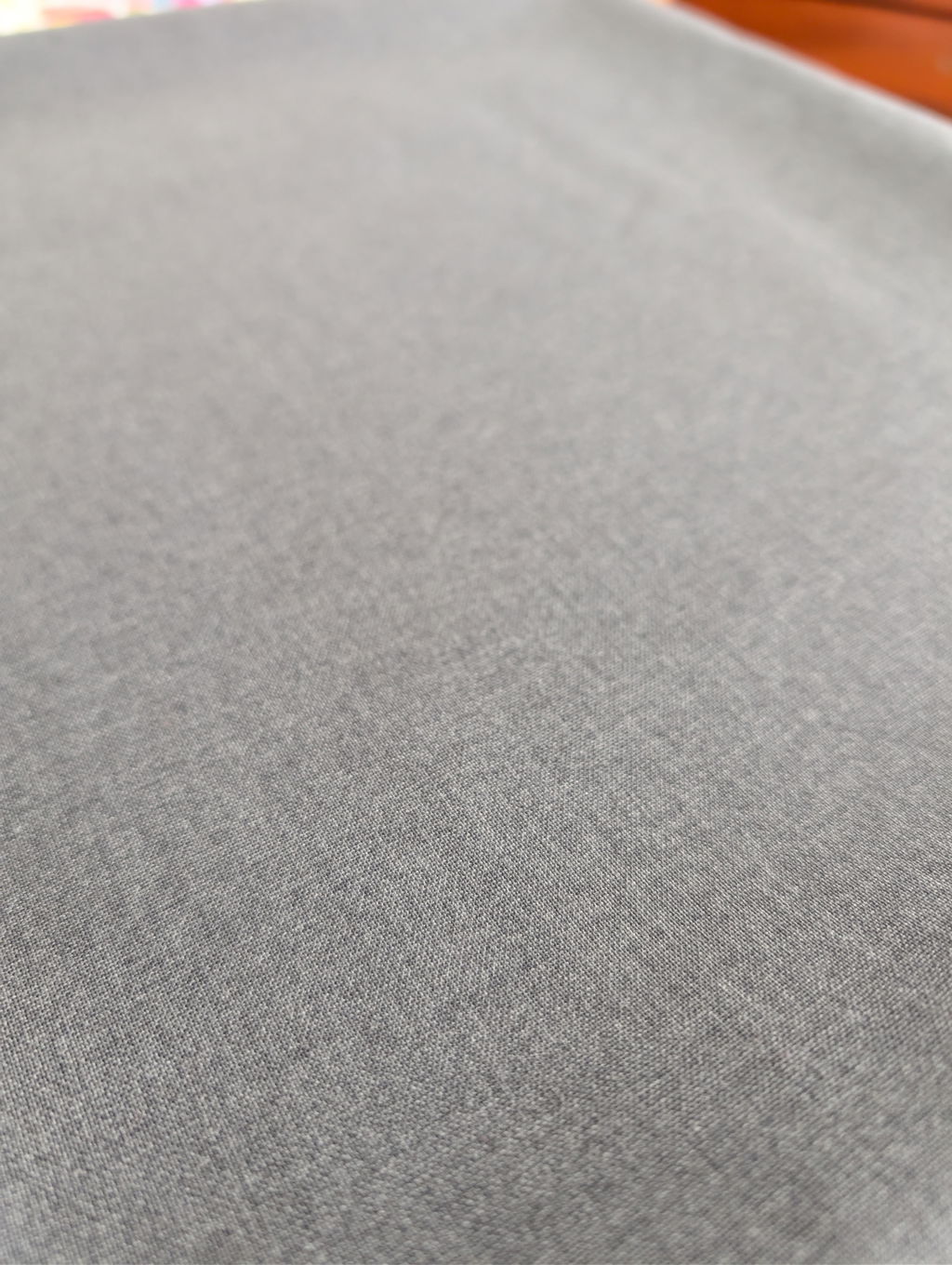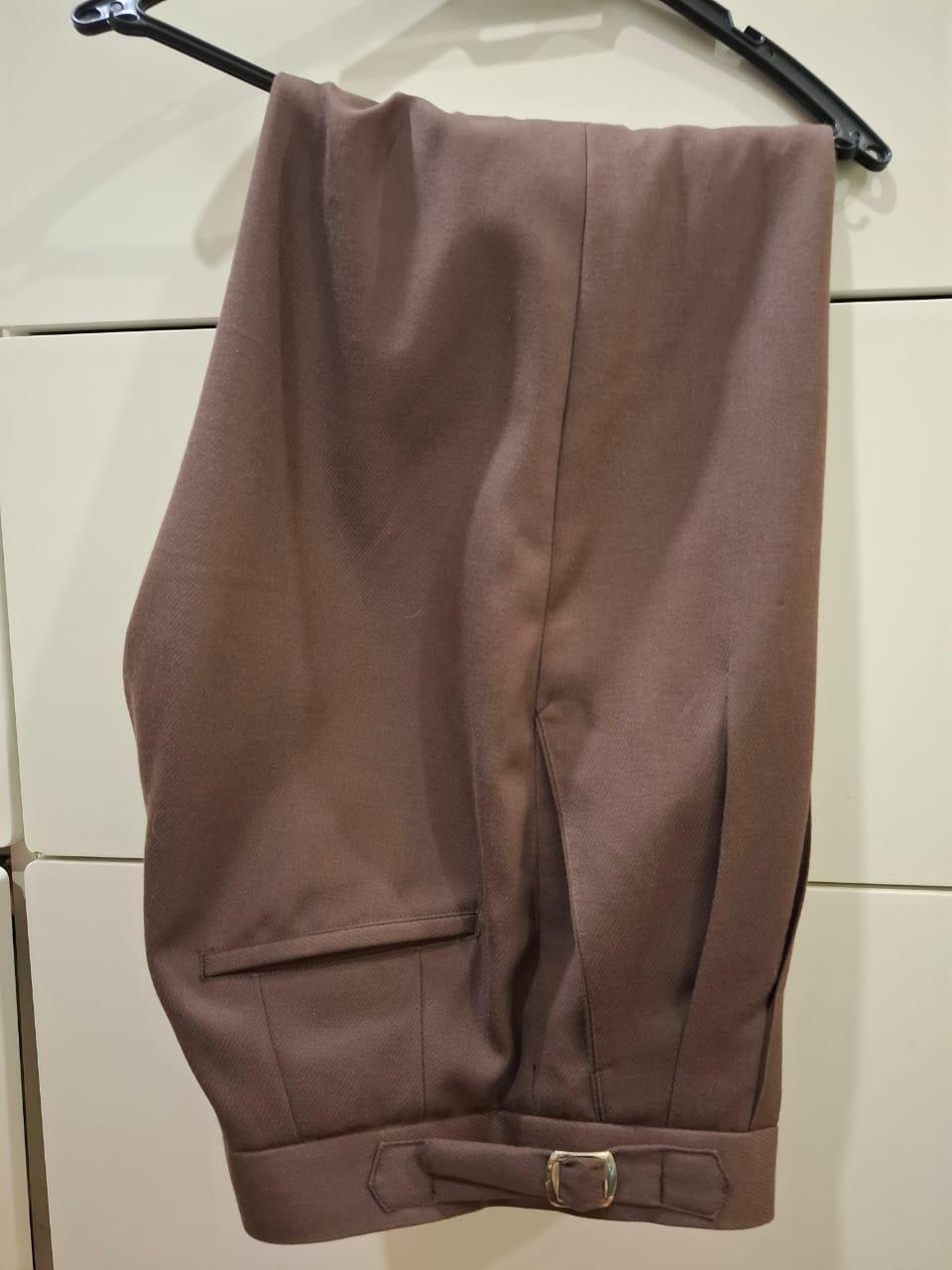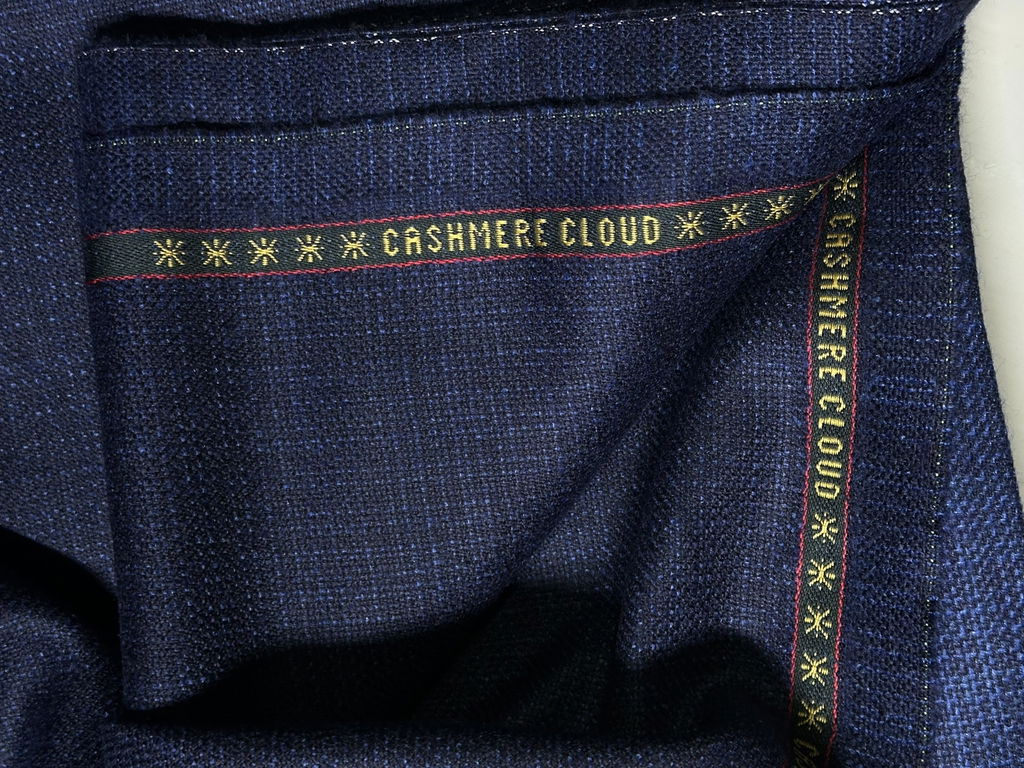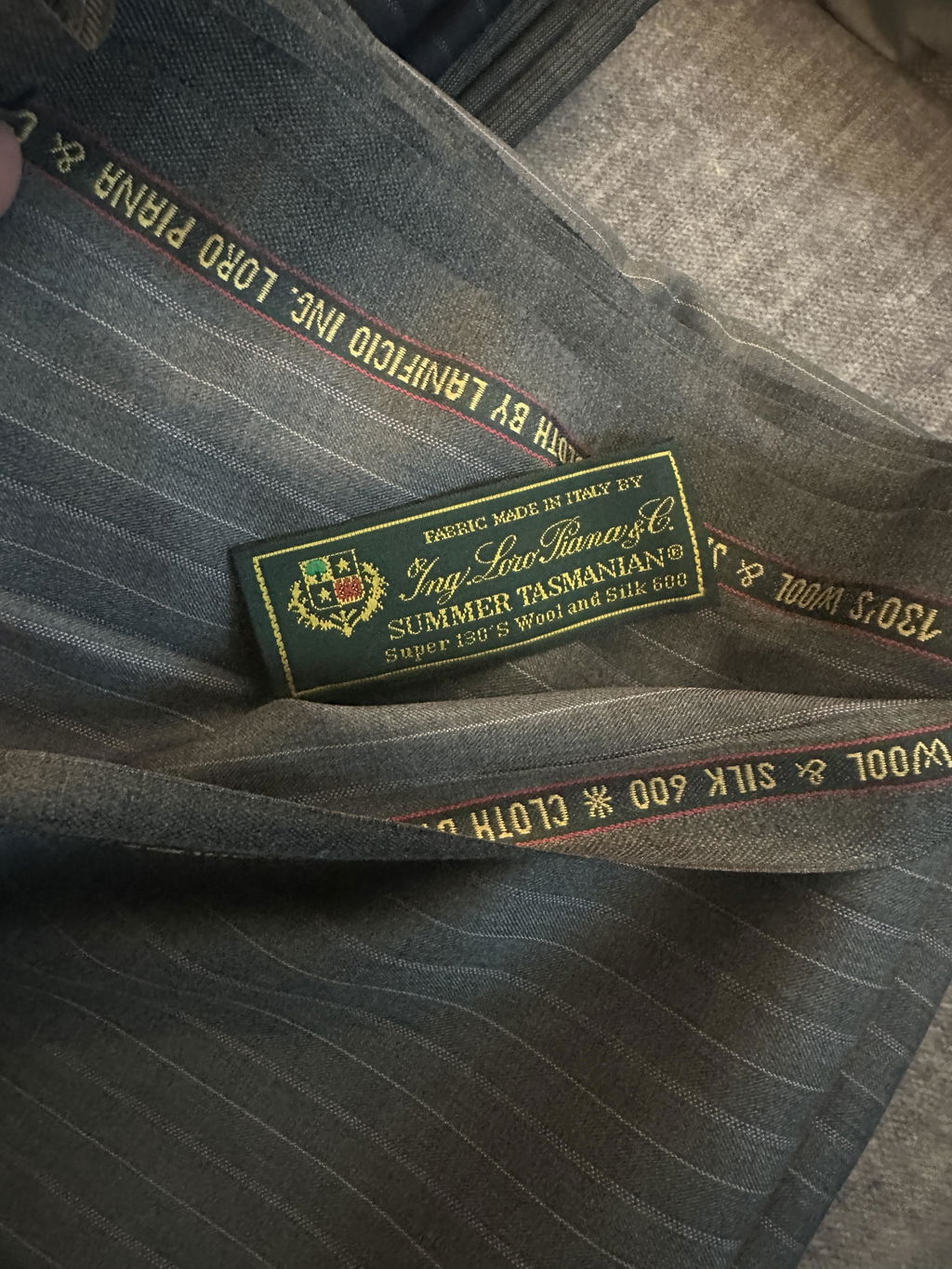

For festive gatherings and celebrations, fabrics with some texture or sheen — velvet, jacquard, rich wool-silk blends — photograph and wear better in party lighting than plain business cloths, while deep reds and jewel tones need careful dye-fastness checks.
Picture a customer in early November with three dates already in the diary: a company dinner in December, a family gathering at the year's end, and a Lunar New Year banquet a few weeks later. He owns good business suits, but he doesn't want to arrive in the same navy he wore to every meeting that year. He wants something that looks right in a warmly lit restaurant, still looks good at the end of a long table, and can be worn more than once. That is a fabric question before it is anything else, and it's the one this guide answers.
Why texture and sheen work in party lighting
Business cloths are designed for daylight and office light. A plain navy or grey worsted is calm and flat by intention, which is exactly what you want in a meeting room. Party lighting is different. Restaurants, hotel ballrooms and festive venues tend to use warm, low and often uneven light, and camera flash adds another layer on top.
In that setting, a perfectly plain cloth can look a little dull. A cloth with some surface interest, such as a woven pattern, a soft pile or a subtle sheen, catches the light and shows depth where a flat cloth shows only colour. That is the whole reason velvet, jacquard and wool-silk blends turn up at celebrations. They are not louder, just more alive under the lamps.
Party suit fabric: velvet, jacquard and wool-silk
Each of the three main choices behaves differently, so it helps to know what you are getting.
Velvet has a dense, soft pile that absorbs and reflects light in a way no flat weave can. It is the most visibly festive choice and photographs richly. The trade-off is practical: pile can mark with pressure and friction, and it asks for more careful handling and storage than a standard worsted. If you want to wear it often, think about how you will look after it.
Jacquard cloths carry a pattern woven into the structure itself, rather than printed on top. The pattern might be a small repeating motif or a tone-on-tone design that only appears as you move. It gives you visual interest without relying on a loud colour, which makes it a good middle path for someone who wants to stand out quietly.
Wool-silk blends add a gentle lustre to the handle and appearance of wool. The sheen is softer than a mohair or a synthetic shine, and it tends to read as refined rather than flashy. Blends vary a great deal from mill to mill, so check the stated composition for each cloth rather than assuming. For specific compositions and weights of what we currently hold, see Wool Silk from Italy Tallia Di Delfino
If you are choosing for a black-tie evening rather than a festive one, that is a different conversation with different cloths. Our guide to tuxedo and dinner-jacket fabric covers it: LINK .
Plain cloth still has a place
None of this means plain cloth is wrong. A well-woven dark worsted in a deep tone is always appropriate at a formal company dinner, and it is the easier cloth to re-wear for work afterwards. The case for texture or sheen is strongest when the event is clearly celebratory and you want the cloth itself to say so. If your gathering is conservative or you will wear the suit mostly for business, a plain cloth may be the more sensible investment.
If you plan a three-piece, the waistcoat is another place to bring in festive texture or colour while keeping the jacket quiet.
New Year suit fabric: colour and dye-fastness
Colour is where festive cloth needs the most care. Deep reds, burgundies and rich jewel tones such as emerald, sapphire and deep plum are popular at celebrations because they look striking in warm light. They are also among the colours where dye quality matters most.
Intensely saturated dark shades can be more demanding for a mill to dye well. Two practical questions are worth asking about any deep-coloured cloth: how it holds its colour over time, and how it behaves with friction and moisture, for example where a sleeve rubs against a chair or where a collar meets skin on a warm evening. These are questions about the cloth's dye-fastness, and a reputable mill or supplier should be able to tell you what is known about a given cloth. If you are considering a deep red or jewel tone for Lunar New Year, ask us before you commit and we will share what we can confirm about that specific cloth.
When you describe the occasion to us, tell us the setting and the lighting if you know it, and the colour you have in mind. Those details help narrow the field quickly. As always, colours in celebrations are a matter of taste and occasion rather than rules, so treat any colour suggestion as a starting point, not a requirement.
Honest note
Fabric choice cannot fix a calendar. Festive cloth is in demand at exactly the time of year when people are also planning gatherings, and the gap between choosing a cloth and needing it can be shorter than expected. Please leave a sensible amount of time between choosing your cloth and the date of your event, and allow room for anything that might take longer than planned. Also note that the more distinctive the cloth, such as a velvet or a deep-dyed jacquard, the fewer occasions it suits afterwards. If you want one suit to do many jobs, a quieter cloth with a hint of texture may serve you better than the most dramatic option.
Choose early, choose once
The simplest way to approach party suit fabric is to work backwards from the date. Decide the occasion, then the colour you would be comfortable in, then how much texture or sheen you want, and choose early enough that the cloth is ready well before the event. The same applies to Lunar New Year suit fabric: the colour and finish you pick should suit the room as much as the calendar. If you would like a starting point, our Wedding & Party collection is a good place to begin, and Fabric Finder can narrow the options by occasion, colour and weight.
Related reading
• Tuxedo Fabric for a Wedding: Barathea, Mohair and Velvet:
• Wedding Waistcoat Fabric: Choosing the Cloth for a Three-Piece Wedding Suit
FAQ
What fabric looks best at a party? Fabrics with some texture or sheen usually look best under party lighting. Velvet, jacquard and wool-silk blends all catch warm light and show depth that a plain business cloth tends to lose. The best choice still depends on the venue, how formal the gathering is, and whether you want to re-wear the suit afterwards.
Does dark velvet fade? Any deeply dyed cloth, velvet included, can show colour changes with wear, friction or careless storage, depending on how well it was dyed and finished. We cannot make a blanket claim about every velvet. Ask us about a specific cloth, and we will share what we know about its dye-fastness before you decide.