
Why You Shouldn't Dry Clean Your Wool Suit After Every Wear
Dry cleaning breaks down the natural lanolin oils in wool fibres over time, so wool suits should be dry cleaned only a few times per year, with brushing and airing between wears instead.
There's a habit a lot of people carry over from other fabrics: wear it, wash it, repeat. With wool suiting, that instinct actually works against you. Dry cleaning too often isn't neutral maintenance — it's a slow, cumulative way of wearing out a suit faster than normal use ever would.
What Lanolin Actually Does
Wool fibre naturally contains lanolin, a waxy substance that helps the fibre resist moisture, resist odour, and stay supple. It's part of why wool performs the way it does compared to other fabrics — self-cleaning to a degree, resistant to creasing, comfortable across a wider temperature range than most people expect. The dry cleaning process uses solvents that are effective at removing dirt and odour, but those same solvents also strip out lanolin along with everything else. Every trip to the cleaner removes a bit more of it, and unlike dirt, lanolin doesn't come back on its own.
What Actually Happens When Lanolin Is Gone
A wool suit that's lost most of its natural lanolin doesn't just look slightly different — it starts to feel it too. Fibres that were once supple become drier and more prone to surface wear, and the cloth's natural resistance to creasing and odour weakens along with it. This isn't dramatic or sudden; it's a gradual decline that happens invisibly, one dry clean at a time, which is exactly why the habit of over-cleaning goes unnoticed until the suit already feels different from how it did when it was new.
What to Do Between Wears Instead
Brushing and airing does most of the actual maintenance work a wool suit needs. A soft clothes brush, run over the fabric after each wear, lifts dust and surface debris out of the weave before it has a chance to settle in. Hanging the suit somewhere with airflow — not immediately back in a packed closet — lets any moisture from the day's wear evaporate naturally, which is most of what a dry clean would otherwise be doing anyway. The other simple habit: avoid wearing the same suit on consecutive days. Wool needs roughly 24 hours to fully release the moisture it's absorbed during wear, and giving it that recovery time does more for its longevity than any cleaning routine.
When You Actually Do Need to Dry Clean
None of this means never dry clean a wool suit. Visible stains, ground-in dirt, or lingering odour that brushing and airing haven't resolved are legitimate reasons to send it in. The point isn't to avoid dry cleaning entirely — it's to stop treating it as routine maintenance after every single wear, and instead reserve it for when the suit actually needs it. For most people wearing a suit regularly in rotation with others, that works out to somewhere in the range of a few times a year, not after every outing.
The Money Argument, Not Just the Fabric Argument
There's a practical upside here beyond the cloth itself: fewer dry cleaning trips means lower ongoing cost, on top of a suit that simply lasts longer before it starts to look tired. It's one of the rare cases in garment care where doing less is both cheaper and better for the outcome — most maintenance advice asks you to spend more time or money to get a better result, and this one asks for less of both.
The Yoo's Club View
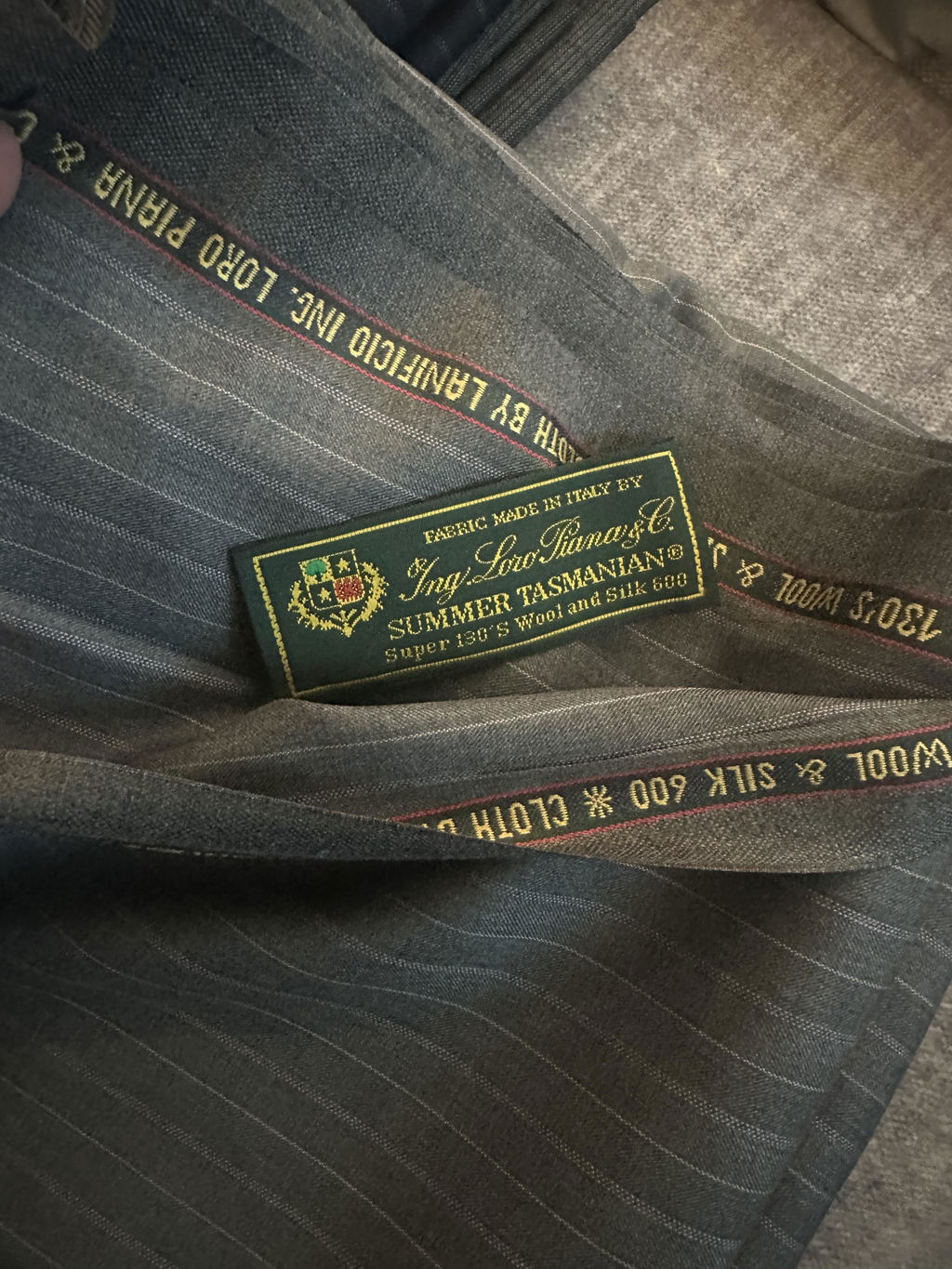
This connects directly to something we talk about elsewhere on this blog — the finishing process a mill applies to its cloth genuinely affects how well it wears over time. A well-finished fabric from a mill that takes that stage seriously holds up to normal wear better than a rushed finish will, but that advantage only shows up if the fabric is actually cared for in a way that lets its construction do its job. Over-cleaning erodes that advantage regardless of how good the finishing was to begin with.
From Habit to Investment Protection
You didn't spend on a named mill's cloth so that a dry cleaner's solvent bath could quietly undo the work a season after the fact. Brushing and airing take a few minutes and cost nothing. Reserving dry cleaning for when the suit actually needs it is the simplest way to make sure the fabric you paid for keeps performing the way it was built to, for as long as it's capable of.
FAQ
How often should a wool suit be dry cleaned? Generally just a few times per year for a suit in regular rotation, rather than after every wear. Brushing and airing between wears handles most day-to-day maintenance without the need for solvent cleaning.
What actual damage does over-dry-cleaning cause? Repeated dry cleaning strips the natural lanolin oils from wool fibres, gradually reducing the fabric's softness, its natural resistance to creasing and odour, and its overall lifespan — even though the effect isn't visible after any single clean.
Daniel Hui, Founder, Yoo's Club