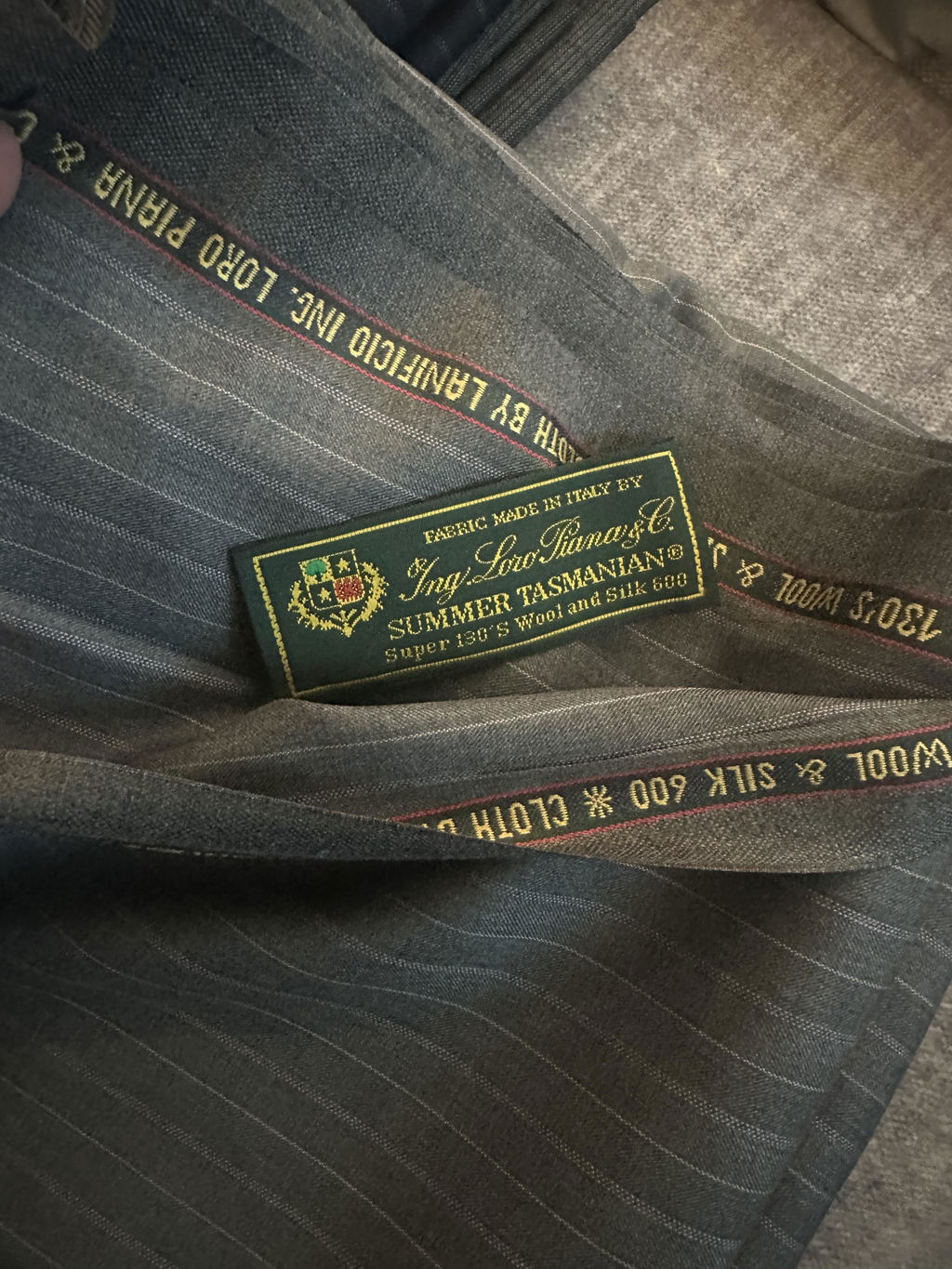

Linen fibres soften progressively with repeated washing and wear, as the natural pectin binding the fibre bundles gradually breaks down, making linen one of the few fabrics that genuinely improves in hand-feel and drape over time rather than simply wearing out.
Almost everything you own gets worse with use. Fabric thins, colors fade, seams weaken. Linen is a genuine exception to that rule, and it's worth understanding exactly why — because it changes how you should think about buying it in the first place.
The Real Mechanism: Pectin, Not Magic
Flax fibre bundles are held together in their raw state partly by natural pectin — the same category of plant compound that gives structure to fruit and vegetable cell walls. In new linen, that pectin is still substantially present, which is exactly why fresh linen often feels notably crisp, even a little stiff, compared to how the same fabric feels after months of regular use. Every wash — through the combined action of water, gentle agitation, and mild detergent — dissolves a bit more of that pectin. As it breaks down, the individual flax fibres within each yarn bundle become freer to separate and move against each other rather than staying rigidly bound together, and that increased fibre mobility is what you actually perceive as the fabric softening.
A Real Timeline, Not Marketing Language
New linen: crisp, structured, with a distinctly dry hand and visible body. After roughly ten washes: a noticeably softer hand and more fluid drape, though still recognizably linen in character and texture. After years of regular wear and washing: genuinely supple, closer to a broken-in favorite than anything resembling the stiffness it started with — while still retaining linen's natural strength, since flax fibre itself doesn't meaningfully weaken through this process the way cotton fibres do through repeated wear. This progression is well-documented and consistent across independent sources on flax fibre behavior — it isn't a claim unique to any one brand's marketing.
How to Actually Let This Process Work
This connects directly to care habits we've covered elsewhere in this series. Over-dry-cleaning, which we've written about as a problem for wool, is arguably an even bigger mistake for linen — dry cleaning solvents don't engage with pectin the way water-based washing does, so a linen piece that's mostly dry cleaned will soften far more slowly, if at all, compared to one that's regularly machine or hand washed. If you're treating a linen jacket the way you'd treat a wool one, sending it to the dry cleaner reflexively, you're actively working against the exact process that makes linen worth investing in over time. Gentle, regular washing — not aggressive scrubbing, just consistent, normal laundering — is what actually drives this improvement.
Linen as an Investment, Not a Consumable
This is where the softening science connects to something bigger than just comfort. A cheap fabric that wears out is a consumable — you replace it and move on, and there's no real argument for spending more upfront. Linen inverts that logic: a well-made piece doesn't just survive years of use, it actively improves through them. That's the exact same value proposition behind the deadstock and vintage cloth we sell — pieces that have already accumulated years of character and, in some cases, decades of softening are genuinely more valuable for having been used, not despite it. Good linen isn't something you buy cheap and replace often. It's something you buy once, properly, and let get better.
The Yoo's Club View
Of everything in our Care & Longevity content, this might be the single most persuasive argument we make. It's easy to tell someone "invest in quality fabric" as a general principle. It's much more concrete to say: this specific fabric will measurably improve in your hands over the coming years, through nothing more complicated than normal use and normal washing. That's not a promise about durability alone — it's a promise about the fabric actively getting better, which is a genuinely rare claim to be able to make honestly.
From Crisp to Supple, By Design
The stiffness you feel in a brand-new linen piece isn't something to work around or wait out impatiently — it's the starting point of a process that rewards exactly the kind of regular use and proper care this entire Care & Longevity series has been building toward. Buy well, wash normally, and let the fabric do what it's built to do.
More on getting there properly: why you shouldn't dry clean your wool suit after every wear and how to remove sweat stains and odor without dry cleaning.
FAQ
Does linen really get softer with washing? Yes. The natural pectin that binds flax fibre bundles together gradually breaks down with each wash, allowing the individual fibres to separate and move more freely — which is what's actually perceived as softening. This is a well-documented characteristic of flax fibre, not a marketing claim.
How many washes does it take for linen to noticeably soften? Most people notice a clear difference within the first ten or so washes, with softening continuing gradually over a much longer period of regular use. The exact timeline varies by fabric weight and initial finishing, but the trend is consistent across genuine linen.